When OCD Symptoms Return: Understanding the Treatment Options That Can Help
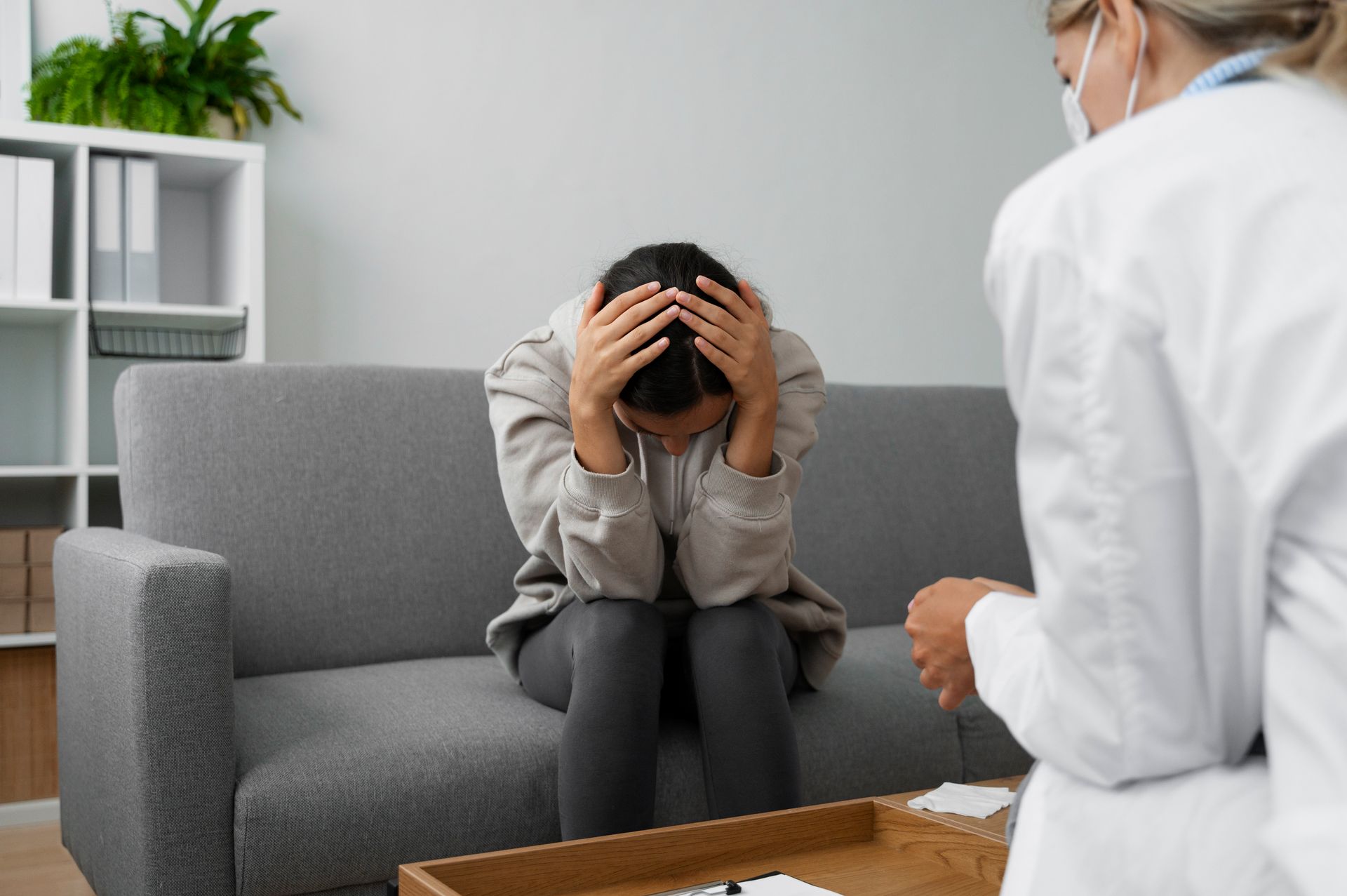
If you're wondering what treatment options are available for obsessive-compulsive disorder (OCD), the most effective approach often includes Cognitive Behavioral Therapy (CBT), Exposure and Response Prevention (ERP), medication, and ongoing psychiatric care. Because OCD is a long-term condition, treatment focuses on reducing symptoms, preventing relapse, and helping people manage intrusive thoughts more effectively over time.
Many people feel discouraged when OCD symptoms return after months or even years of improvement. It's easy to think that treatment has stopped working, but that's usually not the case.
Obsessive-Compulsive Disorder is a condition that often improves with the right care while still requiring long-term management. Stress, life changes, disrupted routines, or stopping treatment too early can all trigger symptoms again.
At Viviana Suaya, we help patients understand that recovery is rarely a straight line. Knowing what treatment options are available for obsessive-compulsive disorder (OCD) allows people to respond early, regain control, and continue making progress instead of feeling like they're starting over.
What Treatment Options Are Available for Obsessive-Compulsive Disorder (OCD)?
The most effective treatment for OCD usually combines psychotherapy, medication, and long-term follow-up based on each person's symptoms and needs.
When people ask what treatment options are available for obsessive-compulsive disorder (OCD), the answer often includes:
- Exposure and Response Prevention (ERP)
- Cognitive Behavioral Therapy (CBT)
- Prescription medications such as SSRIs
- Ongoing psychiatric evaluations
- Lifestyle strategies that support recovery
Rather than relying on one solution, treatment is individualized to reduce obsessive thoughts, limit compulsive behaviors, and improve daily functioning.
Why Is Exposure and Response Prevention (ERP) Considered the Gold Standard?
ERP is widely recognized as one of the most effective treatments for OCD because it helps people gradually face obsessive thoughts without performing compulsive behaviors.
Over time, the brain learns that anxiety naturally decreases without relying on rituals for relief. This helps weaken the OCD cycle instead of reinforcing it.
For many patients asking what treatment options are available for obsessive-compulsive disorder (OCD), ERP becomes the foundation of long-term recovery because it targets the behaviors that keep OCD active.
Can Medication Help Manage OCD Symptoms?
Yes. Medication can be an important part of treatment, particularly for moderate to severe OCD or when symptoms interfere with work, school, or relationships.
Selective Serotonin Reuptake Inhibitors (SSRIs) are commonly prescribed because they help regulate brain pathways involved in obsessive thinking and compulsive behaviors.
At Viviana Suaya, we carefully evaluate whether medication is appropriate, monitor progress closely, and make adjustments whenever necessary. For many individuals exploring what treatment options are available for obsessive-compulsive disorder (OCD), medication works best when combined with therapy rather than used alone.
Why Do OCD Symptoms Sometimes Return After Improvement?
A return of symptoms doesn't necessarily mean treatment has failed.
Stressful life events, disrupted routines, major transitions, illness, or stopping treatment too soon can all make obsessive thoughts more noticeable again. Because OCD is a chronic condition, occasional symptom flare-ups are common.
Instead of beginning treatment from the start, we often adjust the existing care plan. Understanding what treatment options are available for obsessive compulsive disorder (OCD) makes it easier to respond quickly before symptoms become more disruptive.
How Does Ongoing Psychiatric Care Support Long-Term Recovery?
Successful OCD treatment doesn't end when symptoms improve.
Regular follow-up appointments allow psychiatrists to monitor progress, identify early warning signs of relapse, adjust medications when appropriate, and reinforce coping strategies learned during therapy.
At Viviana Suaya, we believe consistent care helps patients maintain confidence throughout recovery. Many people searching what treatment options are available for obsessive compulsive disorder (OCD) are also looking for guidance that supports them well beyond their initial diagnosis.
Can Lifestyle Habits Improve OCD Treatment?
Healthy daily habits cannot replace professional treatment, but they can strengthen it.
Good sleep, regular exercise, stress management, mindfulness practices, and consistent routines may help reduce anxiety levels that often worsen OCD symptoms.
These strategies work best alongside evidence-based care. When discussing what treatment options are available for obsessive compulsive disorder (OCD), lifestyle support is considered an important part of a comprehensive treatment plan rather than a standalone solution.
When Should You Seek Professional Help Again?
If obsessive thoughts or compulsive behaviors begin interfering with daily life, it's important to seek help sooner rather than later.
Early intervention often prevents symptoms from becoming more severe and allows treatment adjustments before OCD significantly affects work, school, relationships, or emotional well-being.
We encourage patients not to wait until symptoms become overwhelming. Prompt evaluation often leads to faster improvement and better long-term outcomes.
Conclusion
Understanding what treatment options are available for obsessive-compulsive disorder (OCD) empowers people to make informed decisions about their care instead of feeling discouraged by recurring symptoms. Evidence-based treatments such as ERP, CBT, medication, and ongoing psychiatric support can significantly reduce OCD's impact and improve quality of life.
At Viviana Suaya, we believe recovery is built through consistent care, personalized treatment, and long-term support. Whether you're newly diagnosed or experiencing returning symptoms, we work with you to develop a treatment plan that promotes lasting stability and meaningful progress.
Frequently Asked Questions
What is the most effective treatment option for OCD?
For many people, the most effective treatment combines Exposure and Response Prevention (ERP), Cognitive Behavioral Therapy (CBT), and medication when appropriate. The exact treatment depends on symptom severity and individual needs.
Can OCD be treated without medication?
Yes. Some individuals improve with ERP and CBT alone. Others benefit from combining therapy with medication. A psychiatric evaluation helps determine the most appropriate approach.
How long does OCD treatment usually take?
Treatment varies from person to person. Some patients notice improvement within a few months, while others benefit from ongoing care to maintain long-term symptom control.
What should I do if OCD symptoms return?
Don't ignore recurring symptoms. Contact your psychiatrist early so your treatment plan can be adjusted before symptoms become more disruptive.
Can stress make OCD worse?
Yes. Stress doesn't cause OCD, but it can increase the intensity of obsessive thoughts and compulsive behaviors, making ongoing treatment even more important.