Managing Bipolar Disorder & Supporting Healthy Relationships

Bipolar disorder can affect communication, routines, trust and closeness without having to define a relationship. Ongoing psychiatric care, honest conversations and agreed plans for hard periods help partners respond together and couples counseling can help them handle conflict and communicate better.
Living with bipolar disorder affects more than the person experiencing mood episodes. A shift in sleep, energy or behaviour can disrupt plans and conversations, leaving one partner worried and the other feeling judged. Neither person is at fault.
At Dr. Viviana Suaya's practice in Los Angeles, we recognise that mental health concerns touch relationships as well as individual well-being.
How Can Bipolar Disorder Affect a Relationship?
Bipolar disorder involves episodes of depression and mania or hypomania, affecting mood, energy, sleep, judgement and daily functioning. Effects vary, so partners shouldn't blame every disagreement on the condition.
Changes in Mood and Behaviour
During elevated mood, someone may seem unusually energetic, irritable or impulsive. During depression, they may withdraw or lose interest in things they once enjoyed.
Common Relationship Challenges
- Uncertain plans: Shifts in energy make shared responsibilities harder to manage.
- Different interpretations: Withdrawal may read as rejection when it's low mood.
- Stress around decisions: Impulsive choices or money disagreements can strain trust.
- Emotional fatigue: Hard periods that end without a conversation wear both partners down.
None of this makes a healthy relationship impossible. The NIMH guidance on bipolar disorder explains how treatment helps people manage symptoms.
Can Couples Counseling Help With Marital Problems?
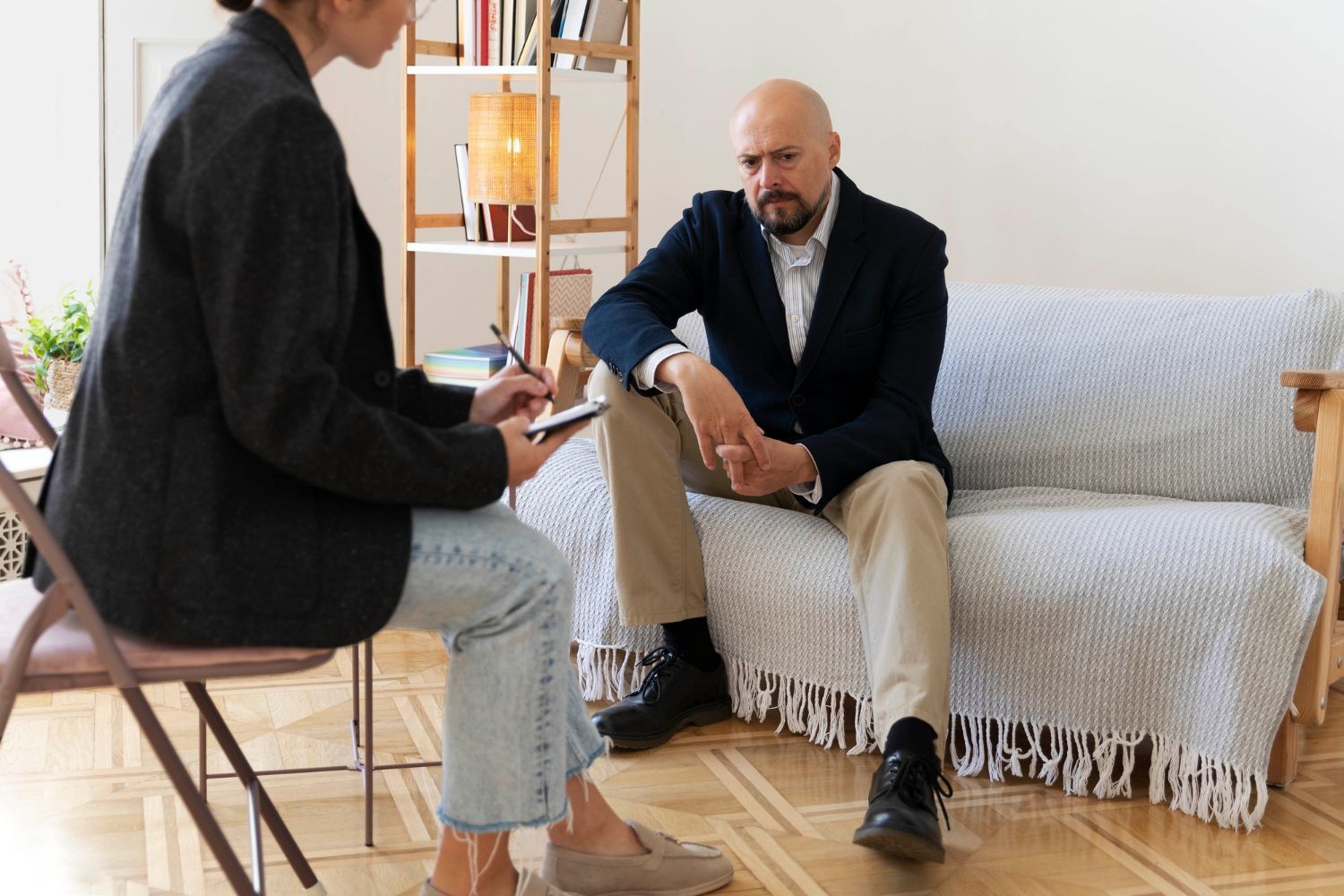
Yes. Couples counseling can help partners discuss recurring disagreements, understand each other's experiences and communicate better, while giving space to talk about how symptoms affect shared life.
Working Through Recurring Conflict
One partner may want frequent check-ins during a rough patch while the other feels watched. Sessions can help partners:
- Express concerns without blame.
- Discuss how mood episodes affect daily responsibilities.
- Agree on boundaries and practical support.
- Separate relationship problems from the diagnosis.
What Couples Counseling Can and Cannot Do
Counseling can help people understand relationship patterns and practise healthier communication. It cannot guarantee improvement or replace treatment for bipolar disorder. We care for couples with marital and relationship concerns, and our couples and marital issues service explains how evaluation can identify what contributes to conflict.
How Can Partners Support Bipolar Disorder Management?
Supporting someone with bipolar disorder takes patience, but it shouldn't mean taking responsibility for their treatment. Each partner needs room to voice concerns and protect their own well-being.
Agree on What Support Looks Like
Talk about support when things are calm. Ask what helps and what feels intrusive; one person may welcome appointment reminders, another may not.
Recognise Changes Without Making Assumptions
If you notice a significant change in sleep, mood or behaviour, describe what you've seen rather than using the diagnosis as a label, and encourage your partner to speak with their clinician.
Keep Responsibilities and Boundaries Clear
Share household tasks and plan for hard periods, but nobody should monitor every part of the other's life. Friends, interests and individual support help each partner keep their own identity.
What Should Couples Discuss Before a Difficult Period?
Agree on a few practical steps before either partner feels overwhelmed. Keep it flexible and practical.
Identify Early Warning Signs
Share the changes you've each noticed in sleep, mood, energy or routines, without trying to diagnose an episode.
Agree on Communication and Practical Support
Decide what to do when someone needs space, how to split household tasks and which support helps. Clear agreements reduce confusion under stress.
Decide When to Contact a Professional
Discuss who to contact if symptoms become more concerning. Treatment decisions belong with the person receiving care and their clinician, not a partner acting alone. If someone may harm themselves or another person, or appears to be in a severe psychiatric crisis, seek urgent professional help instead of waiting for a couples session.
Should Each Partner Consider Individual Therapy?
Sometimes, yes. Couples work focuses on the relationship, while individual therapy gives each person room for personal concerns.
Individual Therapy for the Person With Bipolar Disorder
Psychotherapy may form part of a broader plan, building coping skills and helping manage stress. Psychiatric care may also include medication and follow-up, as their clinician recommends.
Support for the Other Partner
The other partner may need help with anxiety, frustration or the strain of supporting someone whose symptoms are hard to predict. Individual therapy offers a private place for that. The NIMH overview of psychotherapy explains that treatment should reflect a person's needs.
When Should You Seek Professional Support?
Consider getting help when strain continues despite your efforts, conversations keep turning hurtful or symptoms affect everyday functioning. You don't need to wait for a crisis.
When Psychiatric Care May Be Needed
A psychiatric appointment may be appropriate if mood changes are getting harder to manage or the current plan needs review. Encourage your partner to talk to their clinician rather than changing treatment alone.
When Couples Counseling May Help
Counseling suits partners who both want to work on communication, boundaries or recurring concerns. Individual therapy may be worth adding if personal stress is also a factor.
Finding Support in Los Angeles
Our practice in Los Angeles provides psychiatric care and services for marital and relationship concerns. Before an appointment, note the main problems and what you hope will change. Our office information page has location and contact details.
Supporting the Person and the Relationship
Managing bipolar disorder within a relationship takes ongoing attention to mental health and to how two people live together. Neither partner should be expected to solve every difficulty alone.
At Viviana Suaya, we offer care for bipolar management and marital or relationship issues, and a conversation with a qualified professional can help you understand which type of support fits.
Frequently Asked Questions
Can a relationship survive when one partner has bipolar disorder?
Yes. Treatment, communication and shared boundaries help partners face challenges together.
Should both partners attend couples counseling?
Yes. It can help, but it depends on their willingness, goals and circumstances.
Can couples counseling treat bipolar disorder?
It can address relationship concerns, but it doesn't replace psychiatric assessment or treatment.
How can I support my partner during a mood episode?
Stay calm, communicate respectfully and follow any agreed support plan. Encourage professional help if symptoms become concerning.
When should we seek urgent help?
Seek urgent help if someone may harm themselves or another person, or appears to be in a severe psychiatric crisis.