Why Does OCD Keep Coming Back Even When You Thought Your Symptoms Were Under Control?
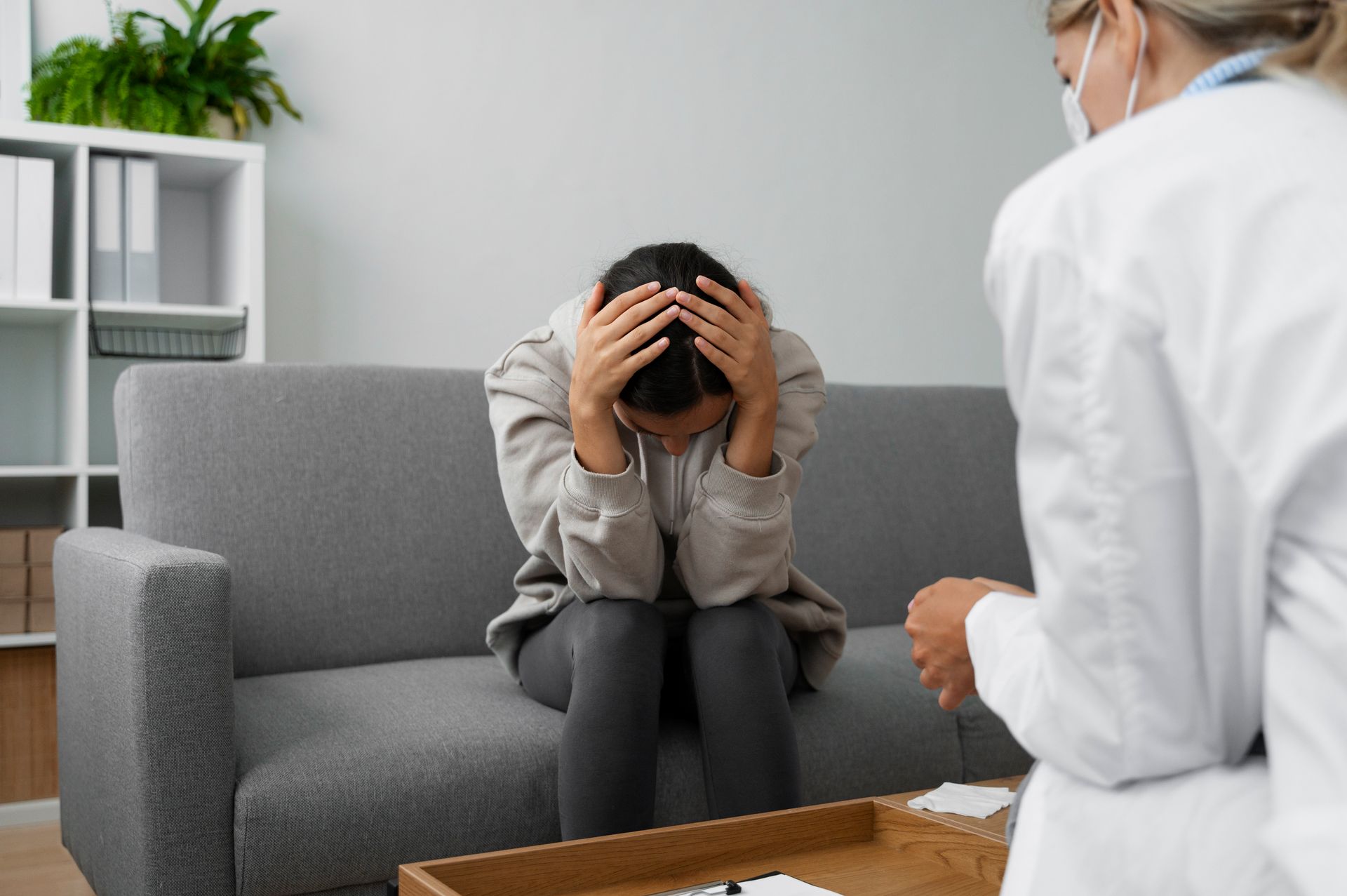
OCD (Obsessive Compulsive Disorder) can return even after improvement because it is a long-term, fluctuating condition influenced by stress, brain patterns, and behavioral reinforcement. What treatment options are available for obsessive compulsive disorder (OCD) may still be a relevant query even after progress, since symptoms may reduce significantly with treatment, but the underlying vulnerability can remain active.
In our clinical experience, OCD does not follow a straight line of recovery. Instead, it tends to move in cycles where symptoms improve, stabilize, and then reappear during stress, change, or disruption in treatment routines. This is why many patients feel confused when symptoms return after months of progress.
The return of symptoms does not mean failure. It usually signals that ongoing management needs adjustment.
What treatment options are available for obsessive-compulsive disorder (OCD) when symptoms return?
The most effective response to relapse is a structured adjustment of long-term care rather than restarting from zero. When symptoms return, we reassess severity, triggers, and current coping strategies before refining the treatment plan.
What treatment options are available for obsessive compulsive disorder (OCD) typically include a combination of therapy, medication, and behavioral strategies tailored to the individual. Some patients benefit from returning to structured therapy sessions, while others may need medication adjustment or both.
Relapse often highlights the need for consistency rather than a completely new approach.
Why do OCD symptoms return during stressful life changes?
OCD symptoms often return during stressful life changes because stress activates the brain pathways associated with fear and intrusive thoughts. Events like exams, job changes, relationship stress, or illness can increase symptom intensity.
In these moments, what treatment options are available for obsessive compulsive disorder (OCD) becomes an especially relevant concern because treatment must often be adjusted temporarily to match increased symptom activity. We typically see symptom spikes during transitions, even in patients who have been stable for months.
Stress does not cause OCD, but it can amplify it.
Can stopping OCD treatment cause symptoms to come back?
Yes, stopping OCD treatment can lead to symptom recurrence because the brain may not have fully consolidated long-term coping mechanisms yet. Medication changes or stopping therapy abruptly can also disrupt stability.
What treatment options are available for obsessive compulsive disorder (OCD) often include maintenance treatment plans specifically designed to prevent relapse. We usually recommend gradual changes rather than sudden discontinuation to reduce the risk of symptom return.
Consistency is a key part of long-term OCD management.
Why does OCD sometimes feel stronger after improvement?
OCD can feel stronger after improvement because individuals become more aware of intrusive thoughts once anxiety levels drop. This shift can make symptoms feel surprising or discouraging.
The treatment of obsessive-compulsive disorder (OCD) focuses not only on reducing symptoms but also on changing the way the brain responds to intrusive thoughts. When treatment progresses, patients often notice thoughts more clearly, even though they are less distressing overall.
This awareness is part of recovery, not regression.
What long-term treatment strategies help prevent OCD from returning?
Long-term management focuses on maintaining progress rather than eliminating symptoms completely. Structured care plans reduce the likelihood of relapse and help patients respond early when symptoms reappear.
What treatment options are available for obsessive compulsive disorder (OCD) include ongoing therapy such as Cognitive Behavioral Therapy (CBT), Exposure and Response Prevention (ERP), and medication management when needed. The approach of Viviana Suaya often emphasizes relapse prevention planning so patients understand early warning signs.
Long-term strategies work best when they are consistent and adaptable.
How does therapy help when OCD symptoms come back?
Therapy helps when OCD symptoms come back by retraining thought patterns and reducing compulsive behaviors that have restarted during relapse. It focuses on breaking the cycle between obsession and compulsive response.
What treatment options are available for obsessive compulsive disorder (OCD) often rely heavily on ERP-based therapy because it directly targets the behavioral loop of OCD.
When symptoms return, therapy is usually restarted or intensified for a short period to regain control. Viviana Suaya believes therapy is not just for initial treatment. It is also a tool for maintenance.
When should someone seek help again after OCD symptoms return?
You should seek help again when OCD symptoms start interfering with daily routines, sleep, relationships, or work. Early intervention prevents symptoms from becoming more severe or entrenched.
The treatment options for obsessive-compulsive disorder (OCD) are most effective when adjusted early rather than after prolonged relapse. In our practice, we encourage patients to reach out as soon as they notice a pattern of returning symptoms instead of waiting for full escalation.
Early response leads to faster stabilization.
Can OCD be fully cured or only managed over time?
OCD is generally considered a manageable chronic condition rather than a fully curable one, but many people achieve long periods of minimal or no symptoms with the right treatment.
What treatment options are available for obsessive compulsive disorder (OCD) is a common query that focuses on long-term symptom control, functional recovery, and relapse prevention rather than permanent elimination. With consistent care, many patients experience significant improvement in quality of life.
The goal is stability, not perfection.
FAQ: Common Questions About OCD Treatment and Relapse
Why do OCD symptoms come back even after successful treatment?
OCD symptoms return because the condition is sensitive to stress and long-term brain patterns. Even after improvement, triggers can reactivate obsessive thoughts or compulsive behaviors. Ongoing management helps reduce the intensity and frequency of relapse.
Is it normal for OCD symptoms to fluctuate over time?
Yes, OCD symptoms often fluctuate. Many patients experience periods of improvement followed by mild or moderate return of symptoms, especially during stressful life events or changes in routine.
What is the most effective long-term treatment for OCD?
The most effective long-term approach typically combines ERP-based therapy with medication when needed. This combination helps reduce both intrusive thoughts and compulsive behaviors over time.
Can lifestyle changes help prevent OCD from returning?
Yes, healthy sleep, stress management, and consistent routines can reduce relapse risk. However, lifestyle changes work best when combined with structured clinical treatment.
Should I restart treatment if OCD symptoms return mildly?
Yes, even mild symptom recurrence is worth addressing early. Early intervention often prevents escalation and helps restore stability faster.
Why does OCD feel worse during recovery periods?
OCD can feel more noticeable during recovery because individuals become more aware of intrusive thoughts while learning not to react to them. This is a normal part of treatment progress.
Conclusion
OCD is not a condition that disappears permanently after improvement. It is a long-term condition that requires ongoing awareness, structured treatment, and early response when symptoms return.
Understanding “What treatment options are available for obsessive compulsive disorder (OCD)” helps patients stay prepared rather than discouraged when fluctuations occur. With consistent care, relapse becomes manageable, symptoms become less disruptive, and long-term stability becomes achievable.